
What Is Digital Marketing? A Guide for Business Owners
By Rickus Jansen, Co-Director at WebConsultants·Published
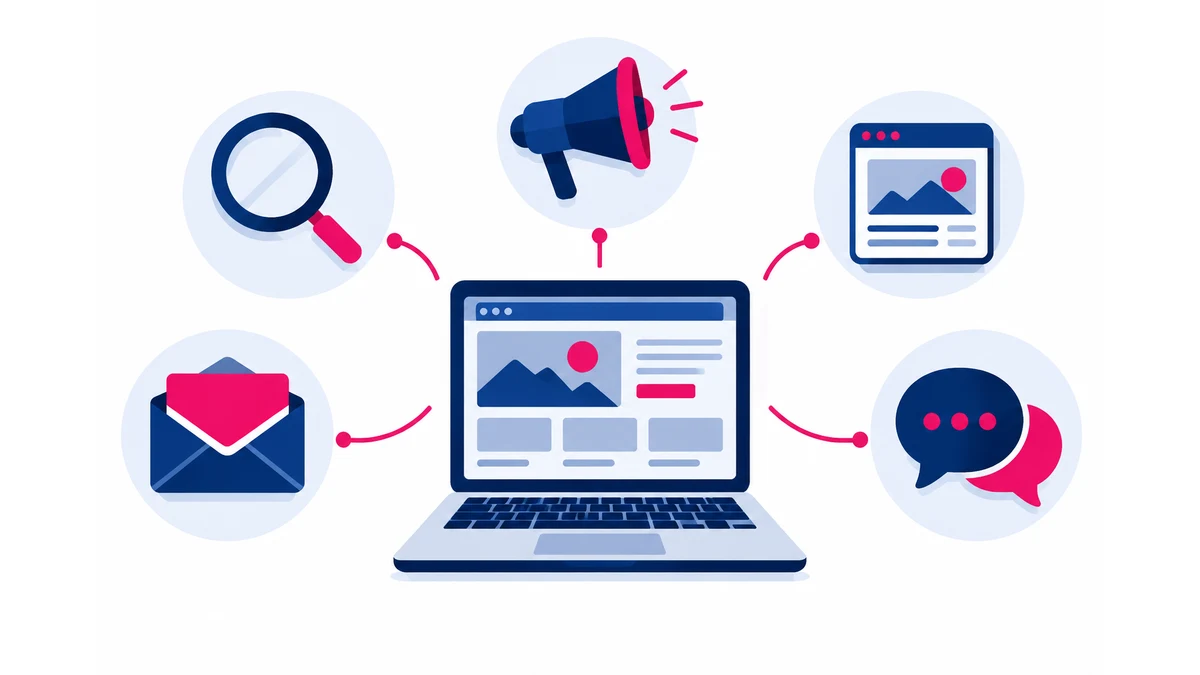
Digital marketing is any marketing that reaches people through the internet, including search engines, websites, social media, email and online ads. For a business owner it comes down to one thing: being in front of the right people at the moment they are looking for what you sell, and making it easy for them to get in touch.
At WebConsultants we only do digital marketing. No billboards, radio or print. We run SEO, paid ads, websites and email for service businesses and online stores in South Africa, the US and the UK, and the same pattern keeps showing up. The businesses that grow are not the ones using the most channels. They are the ones doing the right two or three properly.
How digital marketing differs from traditional marketing
A billboard or radio advert reaches everyone who passes by, whether they need you or not. Digital marketing lets you be far more precise.
- It is measurable. You can see which channel produced an enquiry, which page someone landed on and what they did next.
- It follows intent. Someone searching “emergency plumber Cape Town” has a problem right now. Reaching that person is very different from interrupting someone who does not need a plumber.
- It is adjustable. If an ad or a page is not working, you can change it as soon as the data shows it, instead of waiting for the next print run.
The main types of digital marketing
Search engine optimisation (SEO)
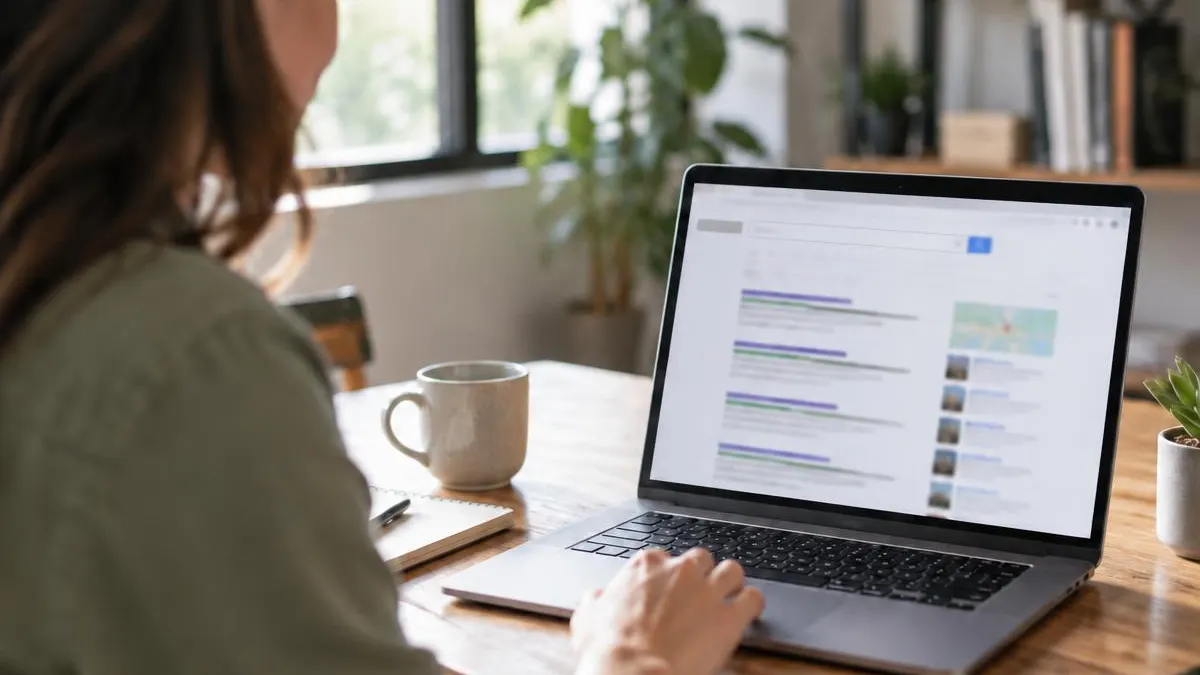
SEO is the work of getting your website to appear in Google’s free, organic results for the searches your customers make. In South Africa, Google is by far the dominant search engine according to StatCounter’s search engine market share data, so this is where most buying research starts. Google’s own SEO Starter Guide is a good plain-language introduction to how it works.
Local SEO and Google Business Profile
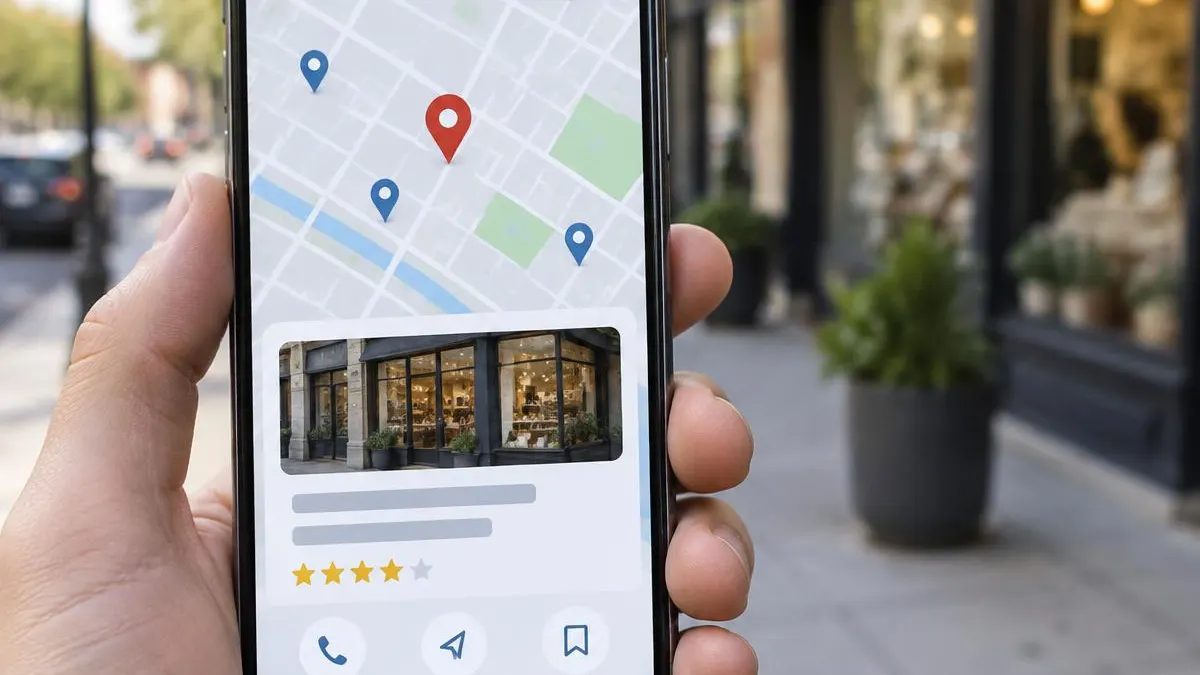
Local SEO focuses on the map results that appear for searches like “dentist near me”. Your Google Business Profile, your reviews and the consistency of your business details across the web all play a part. For any business that serves a specific area, this is often the quickest organic win.
Pay-per-click advertising
With Google Ads you pay to appear at the top of search results for chosen keywords and only pay when someone clicks. It reaches people who are already searching, which makes it one of the most direct ways to generate enquiries while your organic rankings build.
Social media advertising
Ads on Facebook and Instagram, run through Meta’s advertising tools, reach people based on their location, interests and behaviour, before they start searching. This works well for visual products, offers and services people do not yet know they need.
Social media management
Organic social media keeps your business visible and credible. It rarely drives large volumes of enquiries on its own, but an active, professional presence reassures people who check you out after finding you elsewhere.
Email marketing
Email keeps you in touch with past customers and people who have shown interest. It is one of the most cost-effective channels because you already have the relationship. In South Africa, electronic direct marketing must comply with POPIA, so make sure you have consent. The Information Regulator publishes guidance on the Act.
Content marketing
Content marketing means publishing genuinely useful articles, guides and videos that answer your customers’ questions. It supports SEO, builds trust and gives your social media and emails something worth sharing.
Your website
Every channel above sends people to your website, so it is the foundation. A slow, confusing site wastes every rand you spend on getting traffic to it.
How the channels work together
Think of a plumbing business in Cape Town. Google Ads catches the urgent “burst pipe” searches straight away. SEO and the Google Business Profile build steady, free visibility for searches like “plumber near me”. The website turns those visits into calls and form submissions. Email brings past customers back for maintenance and geyser services. Each channel has a different job, and together they cover both people who need help right now and people who will need it later.
How to choose where to start
You do not need every channel at once. Start with the ones that match how your customers buy:
- If people already search for what you sell, start with search: SEO, local SEO and Google Ads.
- If your product is visual or people do not know they need it yet, Meta Ads can create demand that search cannot.
- If you already have a customer list, email is usually the easiest win.
- If your website is slow or unclear, fix that first. Advertising a poor website just makes the problem more expensive.
How to measure whether it is working
Measure enquiries, not likes. Set up Google Analytics 4 to record form submissions, phone clicks and WhatsApp messages, and use Google Search Console to see what people searched for before they found you. Then ask a simple question every month: which channels produced real enquiries, and which only produced activity?
Common digital marketing mistakes
- Spreading a small budget across too many channels, so none of them gets enough to work.
- Sending ad traffic to the homepage instead of a page built for that specific service.
- Running campaigns without conversion tracking, so nobody knows what is working.
- Letting an agency own your ad accounts, analytics or domain. These should always be in your name.
- Judging success by followers, impressions or clicks rather than enquiries and sales.
Frequently asked questions
Is digital marketing worth it for a small business?
Yes, when it is focused. A small business does not need to be everywhere. It needs to be visible where its customers are already looking, with a website that makes it easy to get in touch.
What is the difference between SEO and Google Ads?
Both put you in Google search results. Google Ads appears straight away and you pay for each click. SEO earns free, organic positions over time and keeps working without paying per click. Most businesses benefit from using both.
Do I need a website for digital marketing?
Almost always. Social media and your Google Business Profile help, but a website is the one asset you fully own, and it is where most paid and organic traffic should land.
Need help with your digital marketing?
If you are not sure which channels make sense for your business, we are happy to help. We will look at where your enquiries come from today and tell you honestly where we would focus, and what we would leave alone. If you want a digital marketing agency in Cape Town to run it for you, that is exactly what we do.
Contact WebConsultants
Contact Number: (082) 459-9946
Email: office@webconsultants.co.za
Related articles
 How to Use Google Search Console to Grow Your Website
 Google Analytics 4 Explained for Business Owners
 What Is Content Marketing and How Does It Help SEO
 What Is SEO? A Plain-Language Guide for Business Owners
 How to Create a Google Business Profile and Get on Google Maps
 Keyword Research Explained for Business Owners