
What Is SEO? A Plain-Language Guide for Business Owners
By Rickus Jansen, Co-Director at WebConsultants·Published

If you run a business, someone has almost certainly told you that you need SEO. Far fewer people stop to explain what it actually is, how it works or why it matters. This guide covers the basics in plain language, so you can make better decisions about your website and your marketing.
SEO stands for search engine optimisation. It’s the process of improving your website so search engines like Google can find it, understand it and trust it enough to show it to people searching for what you offer.
What Does SEO Stand For?
SEO is short for search engine optimisation, spelled optimization in American English. The term covers everything you do to earn visibility in the organic, unpaid results on Google, Bing and other search engines. You’ll also hear people called “an SEO”, which simply means someone who does this work professionally.
How Does SEO Work?
To understand SEO, it helps to know what Google does behind the scenes. According to Google’s explanation of how Search works, the process happens in three stages:
- Crawling. Google uses automated programs to discover pages across the web, mainly by following links and reading sitemaps.
- Indexing. Google analyses what each page is about, including its text, images and structure, and stores that information in a huge database.
- Serving results. When someone searches, Google selects the most relevant, helpful pages from its index, taking factors such as the searcher’s location, language and device into account.
SEO is the work of making sure your website does well at every stage. Google needs to be able to reach your pages, understand what they’re about and see enough quality and trust signals to rank them above the alternatives.
What Is SEO in Digital Marketing?
In digital marketing, SEO sits alongside channels like paid advertising, social media and email. The key difference is how you earn visibility. With Google Ads, you pay for a placement, and that visibility stops when the budget stops. With SEO, you earn your place in the organic results through a strong website, useful content and a good reputation online.
That doesn’t make one better than the other. Many businesses use both, with paid ads bringing in enquiries quickly and SEO building a long-term foundation that doesn’t depend on a daily ad budget.
The Four Main Types of SEO
SEO is usually split into four areas. A good strategy covers all of them.
On-Page SEO
On-page SEO is everything on the page itself, including the content, headings, page titles, meta descriptions, images and internal links. The goal is to make each page clearly relevant to the searches it should appear for.
Technical SEO
Technical SEO deals with how your website is built. It covers site speed, mobile usability, crawling and indexing, structured data and canonical tags. If the technical foundation has problems, even great content can struggle to rank.
Off-Page SEO
Off-page SEO covers signals from outside your website, mainly backlinks (links from other websites to yours) and mentions of your business. Links from trusted, relevant websites act like recommendations. Low-quality or spammy links can do the opposite and harm your rankings.
Local SEO
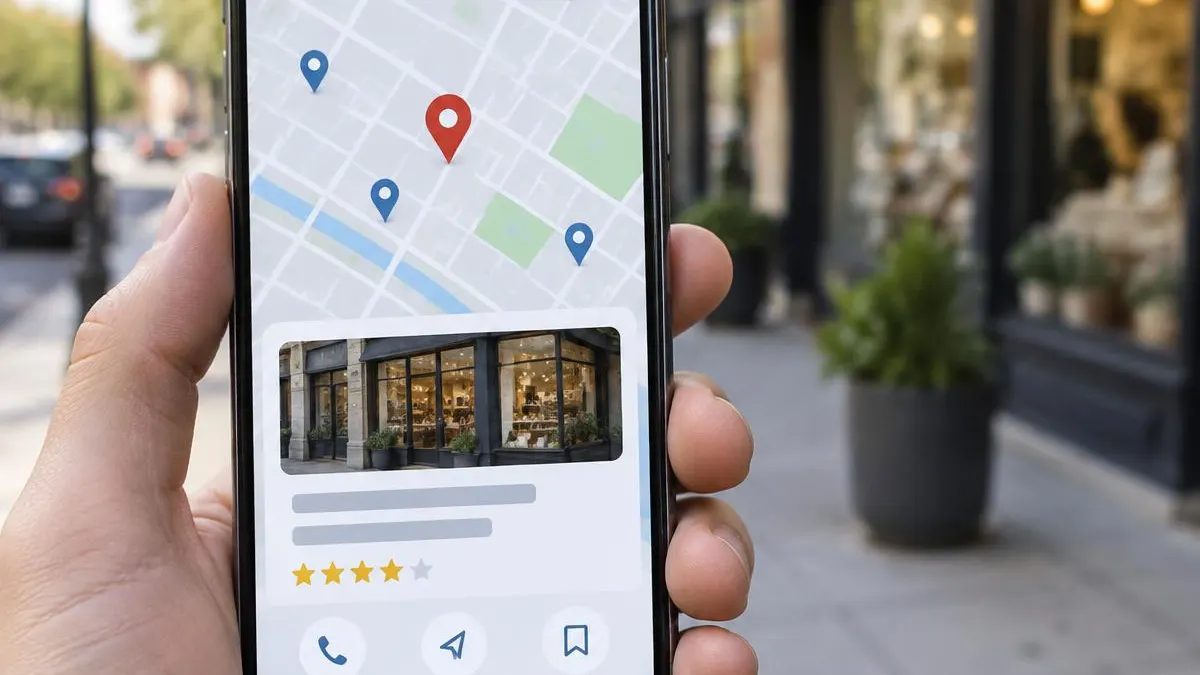
Local SEO focuses on searches with a location attached, such as “electrician near me” or “accountant in Stellenbosch”. It includes your Google Business Profile, reviews, map rankings and consistent business details across the web.
Why SEO Matters for South African Businesses
Search is where most buying journeys start. In South Africa, Google handles more than 91% of all searches, according to StatCounter’s search engine market share data. When a potential customer needs a service, they search, scan the first few results and choose. If your business doesn’t appear, it isn’t part of that decision.
SEO also tends to attract people who are already looking for what you offer. Someone searching for a specific service in their area is usually much closer to making a decision than someone scrolling past an advert.
What SEO Is Not
SEO isn’t a trick or a one-off task. It’s ongoing work that builds over time, and results depend on factors like your website’s current health, the strength of your competition and how much work goes into it.
Be cautious of anyone who promises guaranteed first-page rankings. Nobody controls Google’s results, and Google’s own guidance on hiring an SEO warns against providers who claim to guarantee rankings. It also suggests useful questions to ask before you hire anyone.
How AI Search Fits In
AI tools like ChatGPT and Google’s AI features are changing how some people search, but they haven’t replaced the fundamentals. AI tools draw their answers from web content, and Google’s guidance on generative AI search builds on the same principles covered above. A website that is clear, trustworthy and well structured is in a strong position for both.
Where to Start With SEO
If you’re new to SEO, start with these basics:
- Make sure your website loads quickly and works well on mobile.
- Give every important page a clear, unique title and one main topic.
- Write content that answers the questions your customers actually ask.
- Set up Google Search Console so you can see how Google views your site.
- Create and complete your Google Business Profile if you serve customers locally.
Google’s SEO Starter Guide is a useful next step if you’d like to go deeper into the detail.
If you’d rather have it handled for you, our SEO services start with in-depth keyword research and a full technical audit, so every recommendation is based on your own data. Book a consultation and we’ll review your website with you.
Related articles

Contact WebConsultants
Have questions about SEO for your business? Get in touch with our team.
Contact Number: (082) 459-9946
Email: office@webconsultants.co.za