What Is Lead Generation? A Guide for Service Businesses
By Rickus Jansen, Co-Director at WebConsultants·Published
For most service businesses, marketing has one job: getting the phone to ring with the right people on the other end. That is lead generation. Done well, it creates a steady flow of enquiries you can plan around. Done badly, it fills your inbox with people who were never going to buy.
What is lead generation?
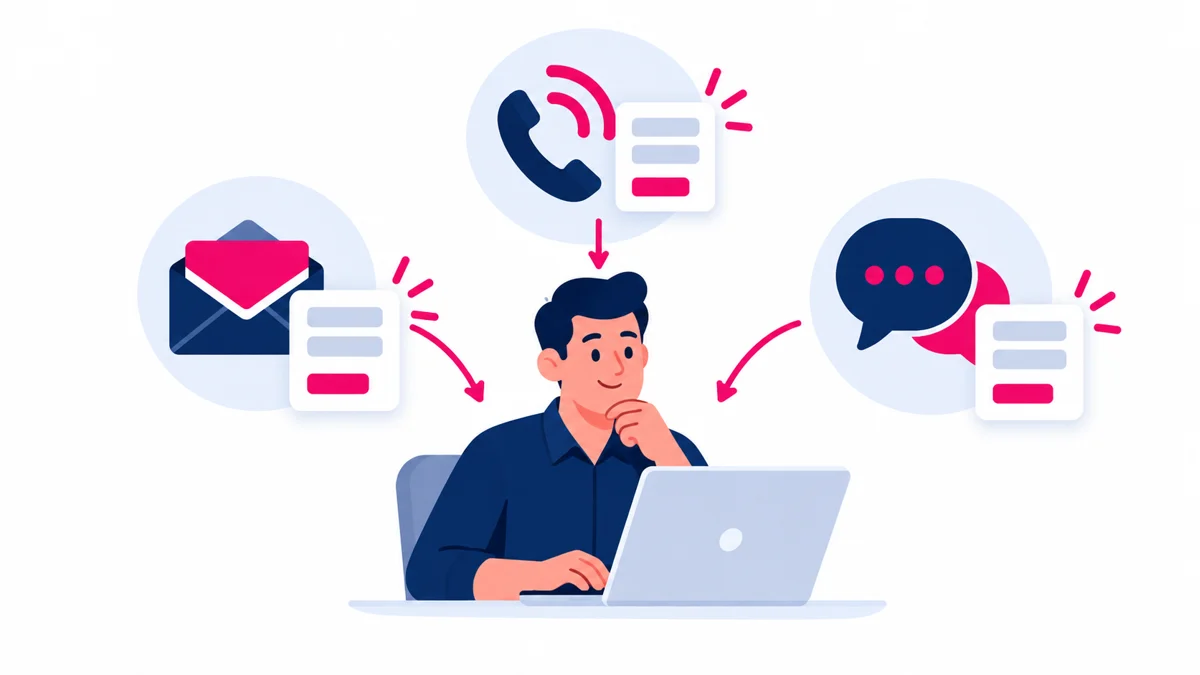
Lead generation is the process of attracting people who are interested in what you offer and getting them to contact you or share their details, so you can turn them into customers. A lead is someone who has raised their hand, whether by filling in a form, calling, sending a WhatsApp message or booking an appointment.
Not every lead is equal. A lead who has a real need, budget and authority to decide is far more valuable than ten people who downloaded a free guide and never responded.
Inbound vs outbound lead generation
Inbound lead generation brings people to you. They find your business through Google, social media or a recommendation, and they choose to get in touch. Outbound lead generation means you reach out first, through cold calls, emails or messages.
Inbound leads are usually warmer, because the person already has a need. Outbound can work, but in South Africa unsolicited electronic direct marketing is regulated under the Protection of Personal Information Act. The Information Regulator’s guidance on direct marketing under POPIA is worth reading before any outbound campaign. This is general information, not legal advice.
The main digital lead generation channels
Search engine optimisation
SEO helps your website rank when people search for your services. Because these visitors are actively looking, organic search often produces some of the highest-quality leads, and you do not pay per click.
Local SEO and Google Business Profile
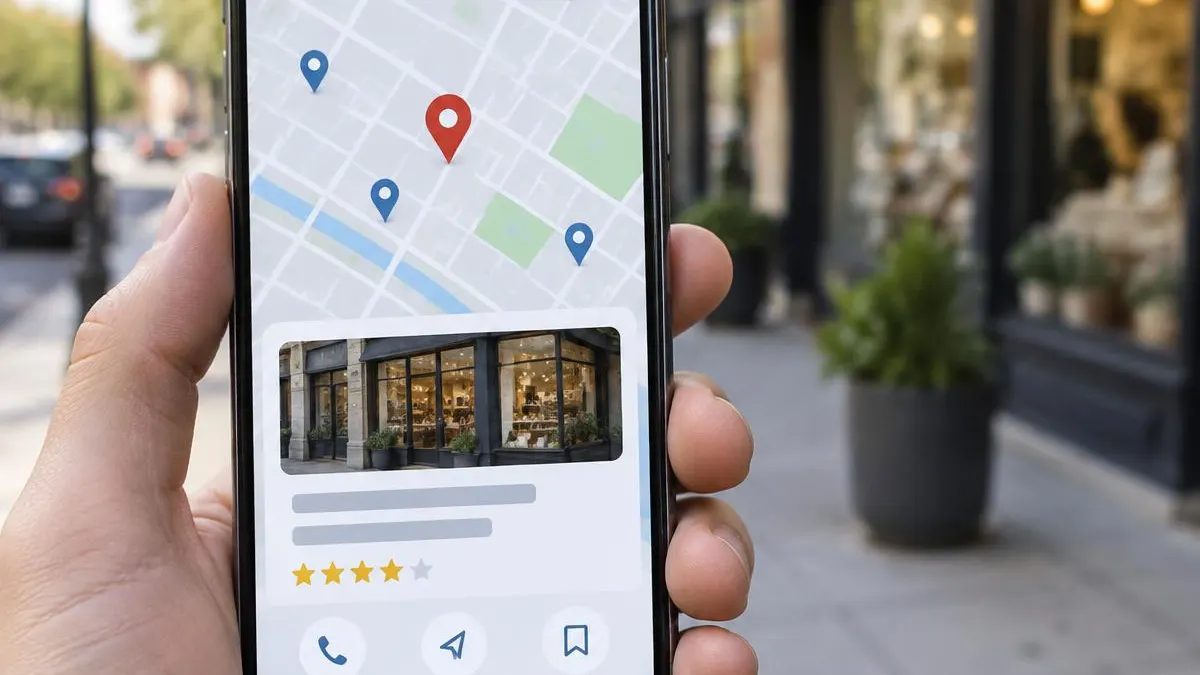
For businesses that serve a specific area, appearing in the Google Maps results is essential. A well-managed profile with reviews, photos and accurate details drives calls and direction requests. Our guide on how to create a Google Business Profile covers the setup, and our Local SEO service covers ongoing optimisation.
Paid advertising
Google Ads captures people searching right now, while Meta ads reach people on Facebook and Instagram before they start searching. Paid channels give you control over volume, but they need careful tracking to stay profitable.
Email marketing and content
Helpful content attracts visitors, and email keeps you in touch with people who have opted in until they are ready to buy. Both support the channels above rather than replacing them. Blog posts that answer real customer questions also give your sales team something useful to send when a prospect needs more information before deciding.
Landing pages
Whichever channel brings people in, the page they arrive on decides whether they enquire. A focused page with one clear offer, visible contact details and a short form will almost always convert better than sending everyone to your homepage.
Lead quality matters more than lead volume
One of the most common things we see when taking over a client’s marketing is a report full of conversions that the sales team describes as junk. Spam form submissions, wrong numbers and people looking for jobs all count as leads unless you separate them.
That is why we track lead quality, not just lead count. Every enquiry is recorded with its source, and the client’s CRM or call tracking shows whether it was a genuine opportunity and whether it became a customer. Budget then moves towards the channels and campaigns that produce revenue, even if they generate fewer total leads.
How to track leads properly
You cannot improve what you do not measure. A reliable tracking setup usually includes:
- Website events. Mark form submissions, calls and bookings as key events in Google Analytics 4 so you can see which channels drive them.
- Call tracking. Record which campaign or page generated each phone call.
- A CRM. Keep every lead in one place with its status and outcome.
- Offline conversion data. Tell Google Ads which leads became customers through offline conversion imports or enhanced conversions for leads, so the campaign learns to find more people like them.
Building a lead generation system that lasts
The most dependable results come from a system rather than a single tactic:
- Define what a qualified lead looks like for your business
- Choose the channels where your customers are already looking
- Send traffic to focused pages with one clear call to action
- Respond to enquiries quickly, because speed often decides who wins the job
- Review lead quality regularly and shift budget to what works
Each part supports the next. Strong SEO lowers your reliance on paid clicks, good tracking shows where to invest, and fast follow-up turns more enquiries into customers. Most businesses do not need every channel at once. Start with the one closest to where your customers already search, prove that it produces qualified leads, and add the next channel once the first is working.
Need help with lead generation?
If you would rather have an experienced team handle this for you, we would be glad to help. At WebConsultants we work with businesses across Cape Town, the Winelands and beyond, and every engagement starts with a straightforward conversation about your goals. Take a look at our consultation booking page, or reach out directly and we will tell you honestly whether it is the right fit for your business.
Book a consultation or send us a message through our contact page.
- Phone: (082) 459-9946
- Email: office@webconsultants.co.za