Google Ask Maps and What It Means for Local Businesses
By Rickus Jansen, Co-Director at WebConsultants·Published
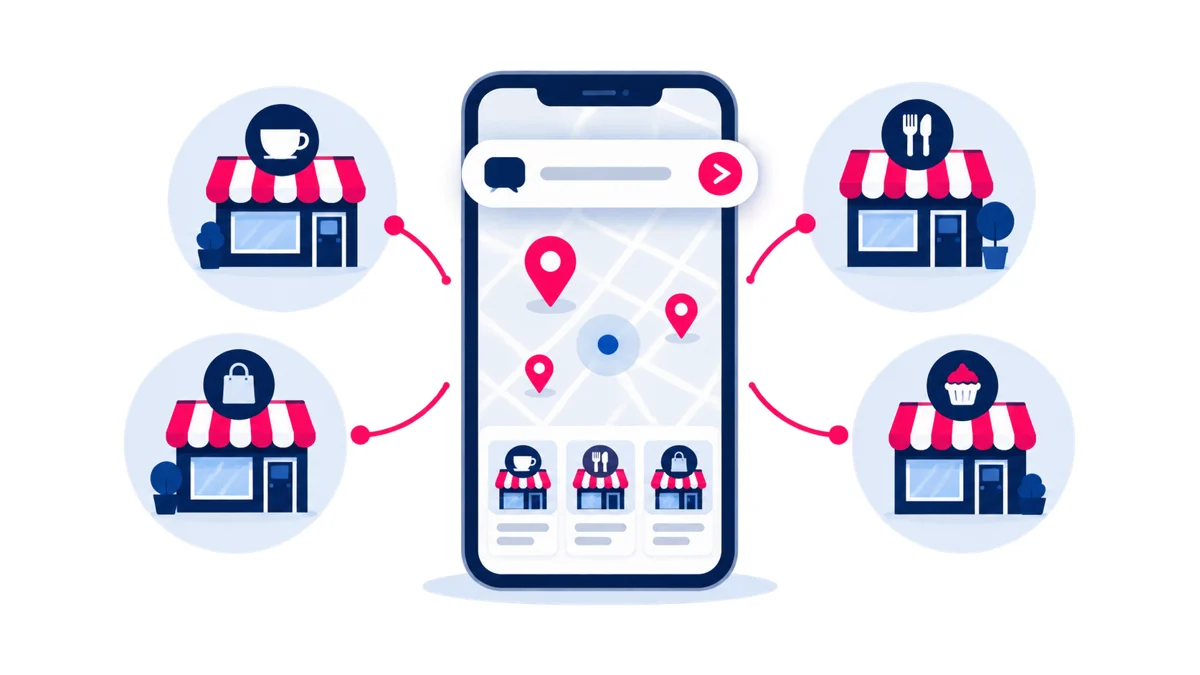
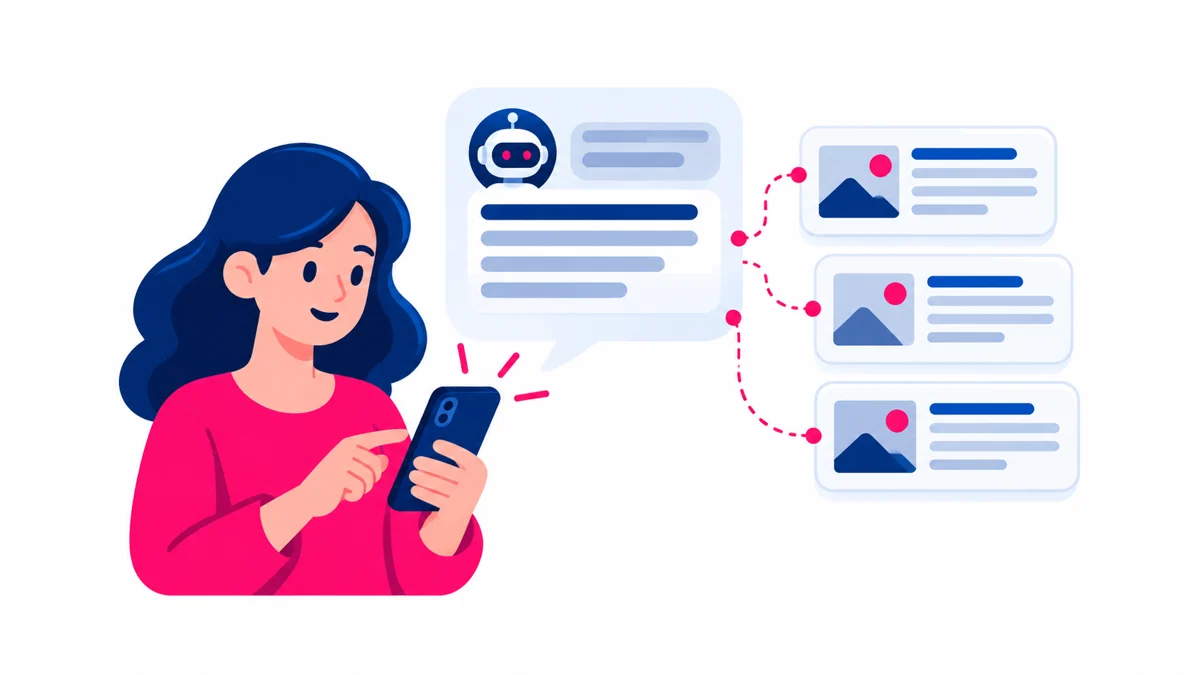
For years, people have used Google Maps by typing short searches such as “plumber near me” or “coffee Stellenbosch”. That habit is starting to change. With Ask Maps, people can now ask Google Maps full questions in their own words and get a tailored recommendation back. For local businesses, this is one of the most important search changes to prepare for.
What is Ask Maps?
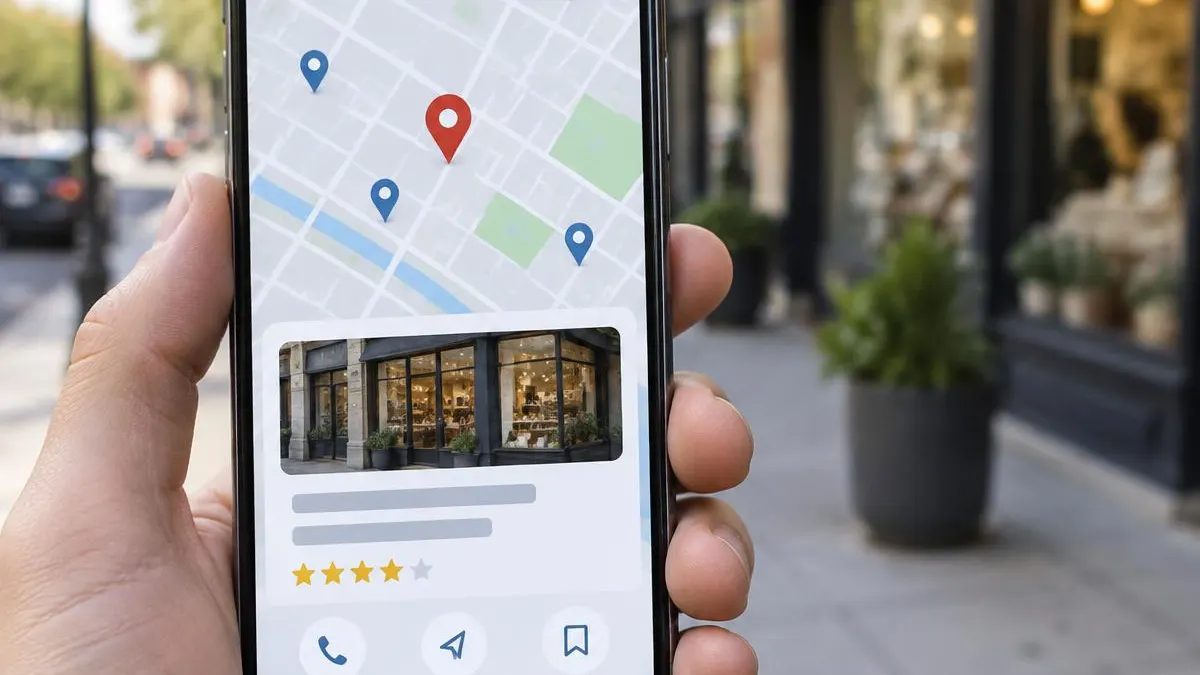
Ask Maps is a conversational feature in Google Maps, powered by Google’s Gemini AI, that answers detailed, real-world questions about places and recommends specific businesses on a personalised map. Google introduced it in March 2026 in its announcement on reimagining Maps with Gemini, and it has since been expanding to more countries.
Instead of searching for a category, someone might ask, “Where can I get a laptop screen repaired today near Somerset West, somewhere with good reviews for turnaround?” Ask Maps interprets the whole request and suggests places that match. If you do not see the feature in your own Google Maps app yet, it is worth checking regularly as availability expands.
How Ask Maps chooses businesses
Google has not published a ranking formula for Ask Maps. What we do know is that its answers combine business details and review content with the searcher’s question and context, and that recommendations are built from Google Maps data. That means the information you control on your Business Profile, and what your customers say in reviews, feed directly into whether you are suggested.
The foundation is still Google’s standard local ranking approach. Google’s guide to improving your local ranking explains that local results are based mainly on relevance, distance and prominence, and that reviews, links and your position in web results all play a role.
Why reviews matter more than ever
Conversational questions are specific. People ask for things like quick turnaround, friendly staff, parking, pet-friendly or experience with a particular brand. A star rating alone cannot answer those questions, but review text can.
That changes what a useful review looks like. A review that says “Great service!” helps a little. A review that says “They repaired our burst geyser in Durbanville the same afternoon and cleaned up afterwards” gives Google concrete details to match against future questions. You cannot tell customers what to write, but you can ask them to describe their experience in their own words.
How to prepare your business for Ask Maps
Complete every part of your Google Business Profile
Choose the most accurate primary category, add relevant secondary categories, list your services in detail, set accurate hours and fill in the attributes that apply. If you have not set up or claimed your profile yet, start with our guide on how to create a Google Business Profile.
Build a steady flow of genuine reviews
Ask every happy customer for a review, make it easy with a direct link and reply to every review, positive or negative. Never buy reviews or offer incentives for them, as that breaks Google’s policies.
Add real photos and keep them current
Photos of your premises, team, vehicles and completed work help both customers and Google understand what you offer.
Make your website support your profile
Your website should clearly describe each service and the areas you serve, with consistent contact details. Google’s guide to succeeding in generative AI features specifically recommends keeping local business details accurate, and Google also confirms that your position in web results influences local ranking, so SEO and your Maps visibility are closely linked.
Keep your details consistent everywhere
Your business name, address and phone number should match on your website, Business Profile, social profiles and directories. Inconsistent details make it harder for Google to trust the information.
What about ads in Ask Maps?
Google already offers ads in Maps, but at launch it did not announce ads inside Ask Maps. For now, visibility in Ask Maps depends on the strength of your profile, reviews and website. If you want guaranteed visibility in local results today, Google Ads with location targeting remains the most direct option.
The bottom line
Ask Maps rewards the same things good local marketing always has: accurate information, genuine customer feedback and a business that clearly does what it says. The difference is that the details now matter more, because people are asking more detailed questions. Businesses that keep their profiles complete and earn descriptive reviews will be best placed as conversational search grows. The same shift is visible in Google Search. In South Africa, Google has already added agentic restaurant bookings to AI Mode, a sign that more local decisions and actions will happen inside Google’s AI experiences. Our Local SEO service is built around exactly this work.
Need help with your local visibility?
If you would rather have an experienced team handle this for you, we would be glad to help. At WebConsultants we work with businesses across Cape Town, the Winelands and beyond, and every engagement starts with a straightforward conversation about your goals. Take a look at our Local SEO service, or reach out directly and we will tell you honestly whether it is the right fit for your business.
Book a consultation or send us a message through our contact page.
- Phone: (082) 459-9946
- Email: office@webconsultants.co.za