

Running a successful eCommerce business requires more than great products and clean design—you need qualified traffic that converts. That’s where search engine optimisation comes in. If you’re asking how to do SEO for an online store, the answer lies in applying a structured strategy that improves your visibility, builds trust, and brings in customers who are actively searching for what you sell.
This guide outlines the core components of effective eCommerce SEO, helping store owners improve rankings and grow sustainable online revenue.
Why SEO Matters for Online Stores
Unlike paid advertising, SEO attracts organic traffic, visitors who find your store through unpaid search results. These users tend to have strong purchasing intent, especially when their queries are specific (e.g., “buy leather laptop bag online” or “organic pet shampoo South Africa”).
A well-optimised store ranks for relevant keywords, offers a smooth user experience, and turns clicks into sales. SEO is also essential for long-term scalability, allowing you to reduce reliance on ads and increase profit margins over time.
Step-by-Step: How to Do SEO for an Online Store
1. Perform Keyword Research
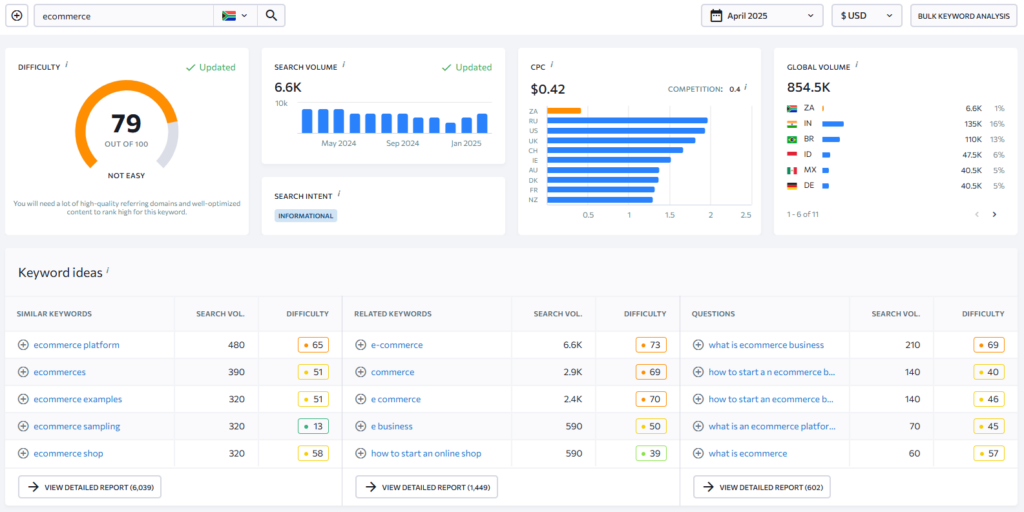
Start by identifying the terms your customers are searching for. Focus on product-specific keywords (e.g., “wireless noise-cancelling headphones”), category-level phrases (e.g., “men’s running shoes”), and long-tail searches (e.g., “eco-friendly yoga mat with free delivery”).
Use tools like Google Keyword Planner, Ahrefs, or Ubersuggest to:
- Identify search volume and keyword difficulty
- Target commercial-intent phrases
- Group keywords by category and product page
2. Optimise Product and Category Pages
Each product and category page should be optimised for relevant keywords:
- Page Title: Include the target keyword naturally
- Meta Description: Summarise the product and include a clear call to action
- Headings (H1, H2): Use structured headers to guide the content
- Product Description: Write original, keyword-rich descriptions that highlight benefits and features
- Image Alt Text: Describe the product using descriptive keywords
- URL Structure: Use clean, keyword-friendly URLs (e.g., /mens-running-shoes)

3. Improve Site Architecture and Navigation
A well-structured site is easier for both users and search engines to navigate. Follow these principles:
- Create a clear category hierarchy
- Use breadcrumb navigation
- Ensure internal links connect related products and collections
- Limit page depth—important pages should be reachable within 3 clicks from the homepage

4. Make the Site Mobile-Friendly and Fast
Google prioritizes mobile-first indexing. Your online store must:
- Load quickly (ideally under 3 seconds)
- Be responsive across all devices
- Avoid intrusive popups that disrupt user experience
- Allow for fast, secure checkout
Tools like Google PageSpeed Insights and GTmetrix can help identify speed issues.

5. Prioritize Technical SEO
Behind-the-scenes SEO ensures your site is accessible and indexable:
- Submit an XML sitemap to Google Search Console
- Fix crawl errors and broken links
- Use canonical tags to avoid duplicate content issues
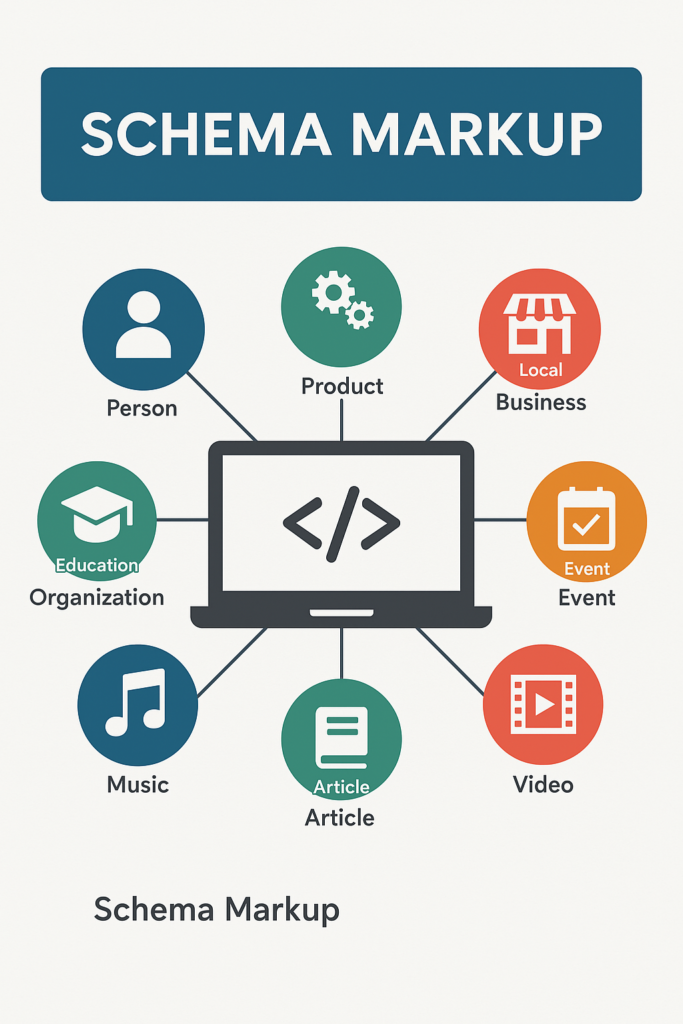
- Implement structured data (schema markup) for products, reviews, and prices
6. Create Supporting Content
Blog content helps attract long-tail traffic and supports product discovery. Create articles such as:
- “How to Choose the Right Office Chair for Back Support”
- “Top 10 Travel Essentials You Can Buy Online”
- “What to Look for in an Anti-Aging Skincare Routine”
Optimized blog content builds topical authority and draws in traffic that may convert over time.

7. Build Backlinks and Improve Authority
Backlinks (links from other websites to yours) signal credibility to search engines. You can earn them by:
- Partnering with bloggers or influencers
- Getting listed in product directories or niche marketplaces
- Publishing guest posts on relevant websites
- Encouraging reviews and press mentions

8. Track and Refine Your Strategy
Use Google Analytics and Google Search Console to monitor performance:
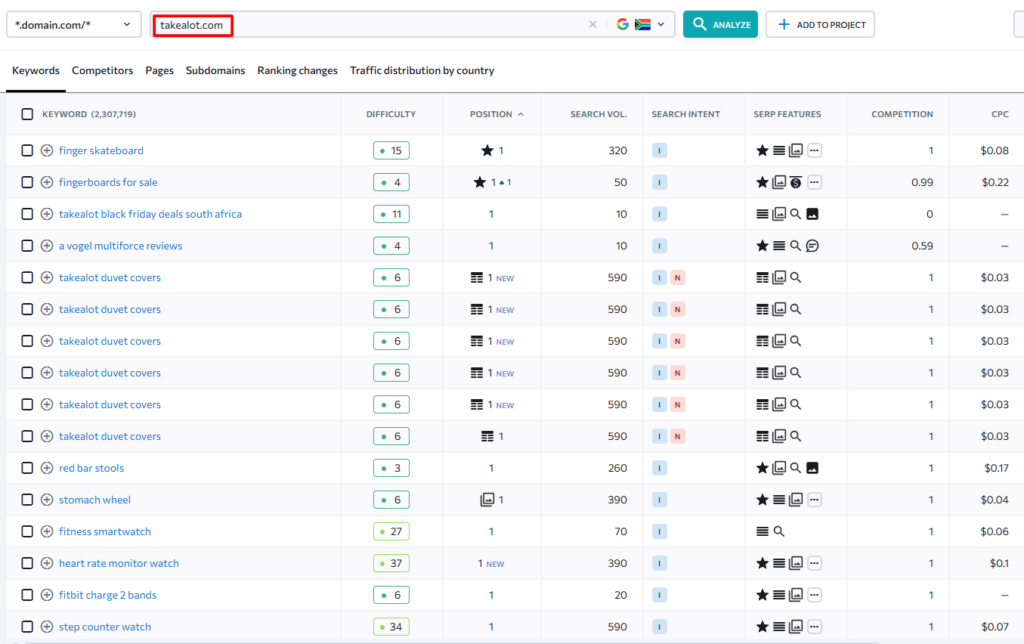
- Track keyword rankings
- Identify top-converting pages
- Monitor bounce rate and time on site
- Refine underperforming pages with updated keywords and content
How to Do SEO for an Online Store
How long does it take for eCommerce SEO to work?
Most online stores begin seeing measurable SEO results within 3 to 6 months. However, this depends on competition, site size, and how well-optimised your store is from the start.
Should I optimise every product page?
Yes, but prioritise your best-selling or most important products first. Over time, aim to optimise all core pages, categories, and supporting content.
Can SEO reduce my ad spend?
Absolutely. While SEO requires upfront effort, it provides long-term visibility that doesn’t depend on continuous ad budgets. Many eCommerce brands use SEO to reduce reliance on PPC over time.
Do I need a blog on my online store?
Yes. A blog helps you rank for informational searches, attract top-of-funnel visitors, and build trust by educating your audience.
Is SEO for online stores different from regular websites?
Yes. eCommerce SEO involves unique considerations such as product descriptions, inventory changes, duplicate content management, and technical elements like schema markup.
Build an Online Store That Ranks and Converts
Knowing how to do SEO for an online store is essential for sustainable growth in today’s competitive digital landscape. With the right strategy, your store can attract high-quality traffic, rank for valuable keywords, and convert visitors into loyal customers, without overspending on advertising.
Need help implementing this? WebConsultants offers expert support. Call us on (082) 459-9946 or email office@webconsultants.co.za to get started.
